3D truck & trailer load planning
Every trailer out full, legal and in delivery order
Turn packing lists into optimized 3D load plans in seconds - axle weights checked, stops in sequence, no surprises at the dock door.
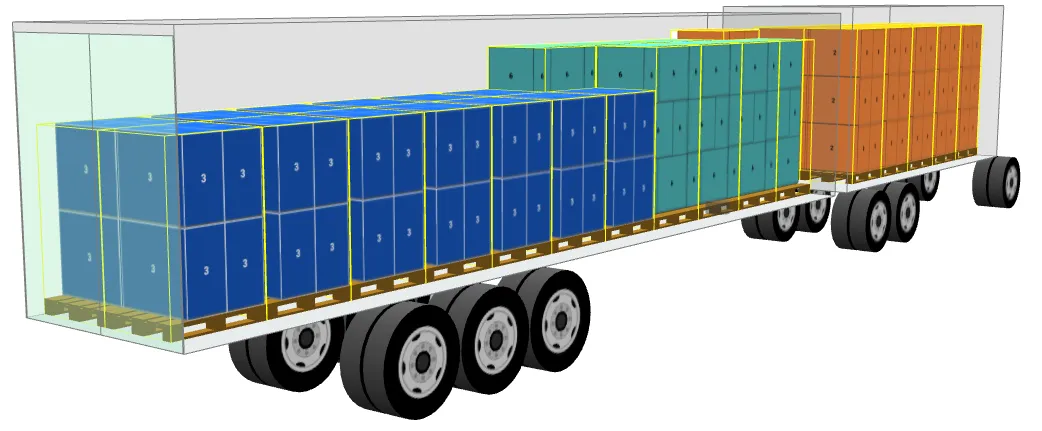






Planning a single load right now? Get an instant answer with the free truck loading calculator →
The problem
Trailer planning still happens in spreadsheets - and gets checked at the dock door
The trailer count is a guess, the axle spread is unchecked, and whether the last pallets fit is discovered with the truck already backed in. Guess high and you book deck space that travels empty. Guess low and freight stays on the ground - or the load leaves heavy on one axle, and the weighbridge finds out before you do.
The fix
From packing list to a legal, optimized load plan in seconds
Cargo-Planner picks the best mix of trailers for the freight and packs them to their real limits - floor space, gross weight and axle groups - not just their brochure volume. Assign a cost per trailer type and it optimizes for the cheapest legal setup rather than simply the fewest vehicles.
0.5 FTE
saved end-to-end at Ricoh Europe
Seconds
to plan thousands of cargoes
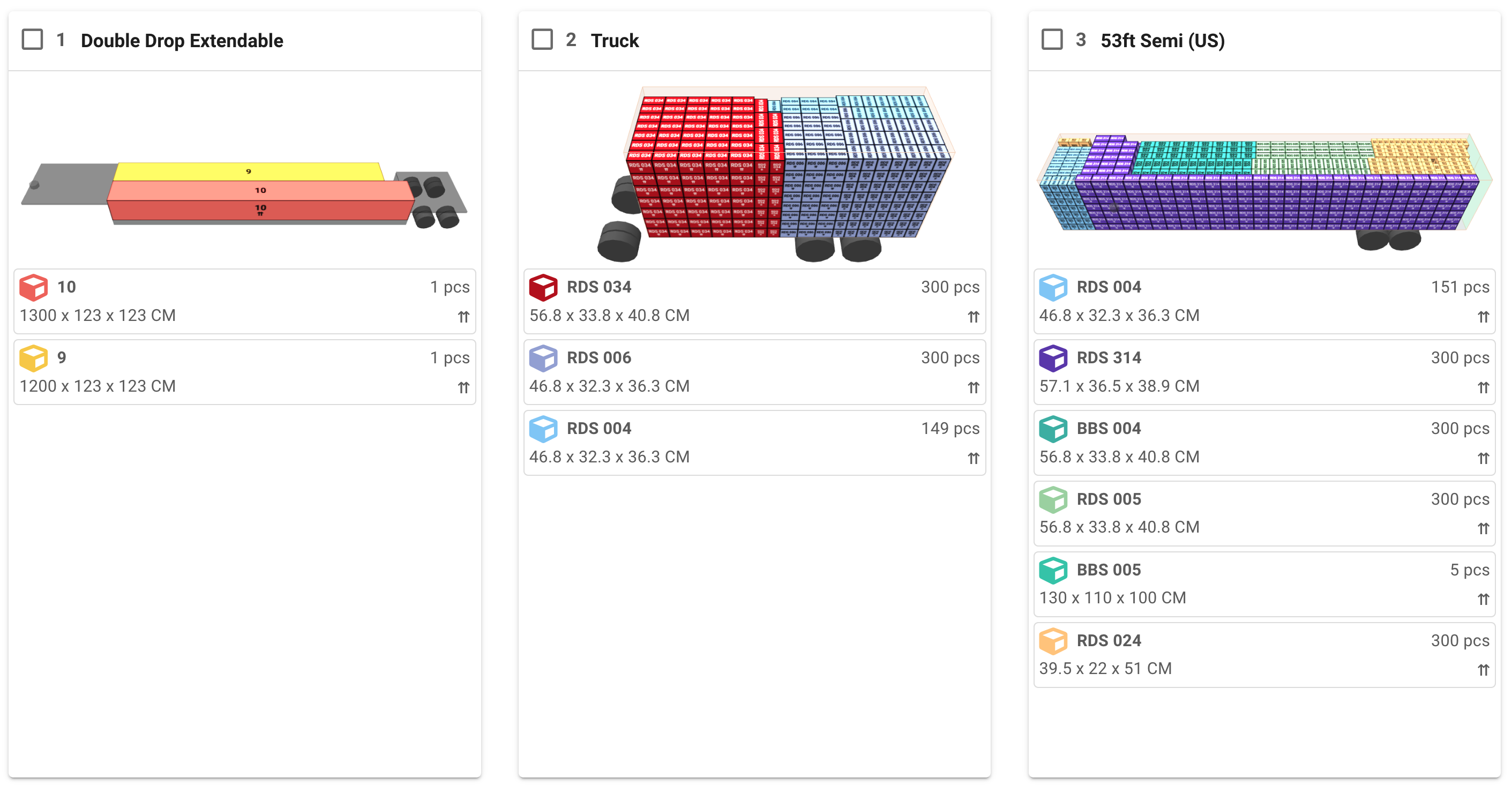
Legal on gross weight, illegal on an axle - caught before departure
Axle limits apply per axle group, so where the weight sits matters as much as how much there is - which is what weigh-station fines are usually written for. Set your front and rear axle group limits and Cargo-Planner arranges the load inside them, then reorganizes cargo to win back as much utilization as the limits allow.
Multi-stop loads that come off in the right order
The densest packing is worthless if the first drop is buried at the headboard. Set a destination per cargo and Cargo-Planner sequences the load to your delivery order - last on, first off - so nothing gets unloaded at the kerb to reach what's behind it.
By implementing Cargo-Planner, everyone became an expert in truck planning. Planning trucks is now done first time right. It enables your organization to be much more efficient, and avoids waste of communication, misinterpretations, and discussions. E2E the improved efficiency saved us 0,5FTE.
Martijn Spee | Manager Transport EMEA, Ricoh Europe SCM B.V.

Top rated by professionals
Learn why users rate cargo-planner 4.8 on Capterra.

When the freight isn't simple pallets
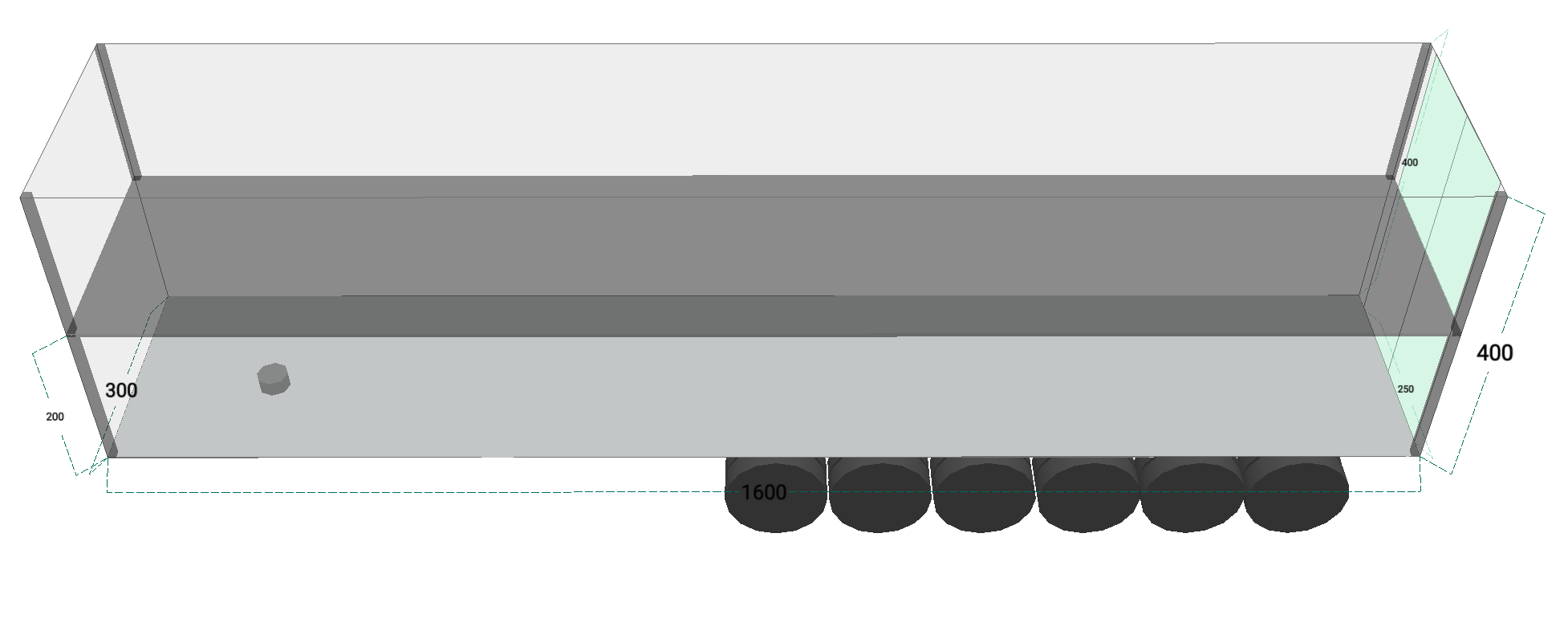
Custom trailers
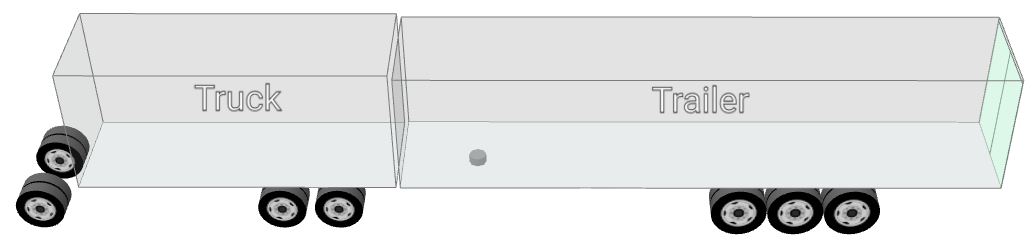
Road trains
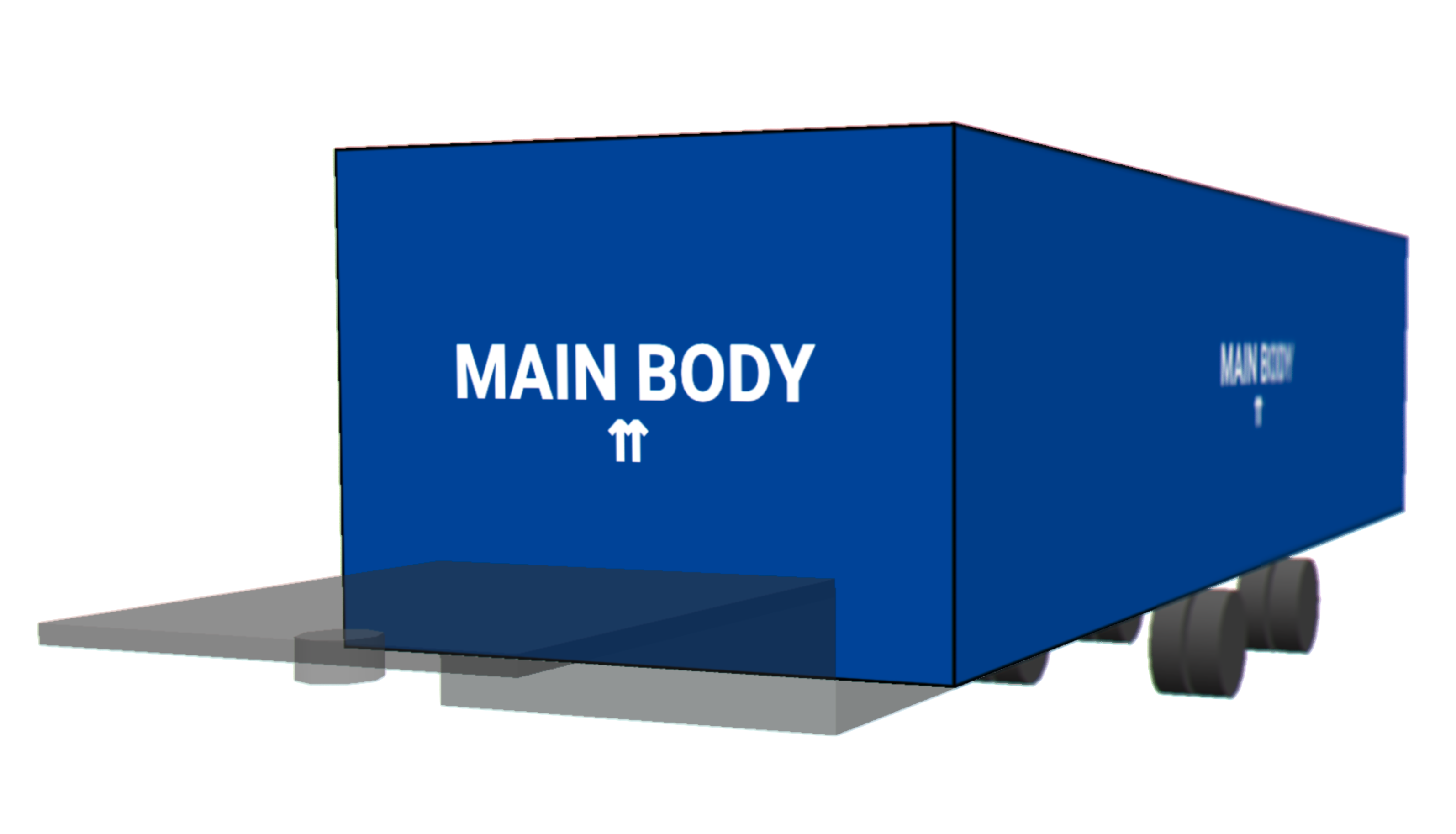
Out of Gauge Cargoes
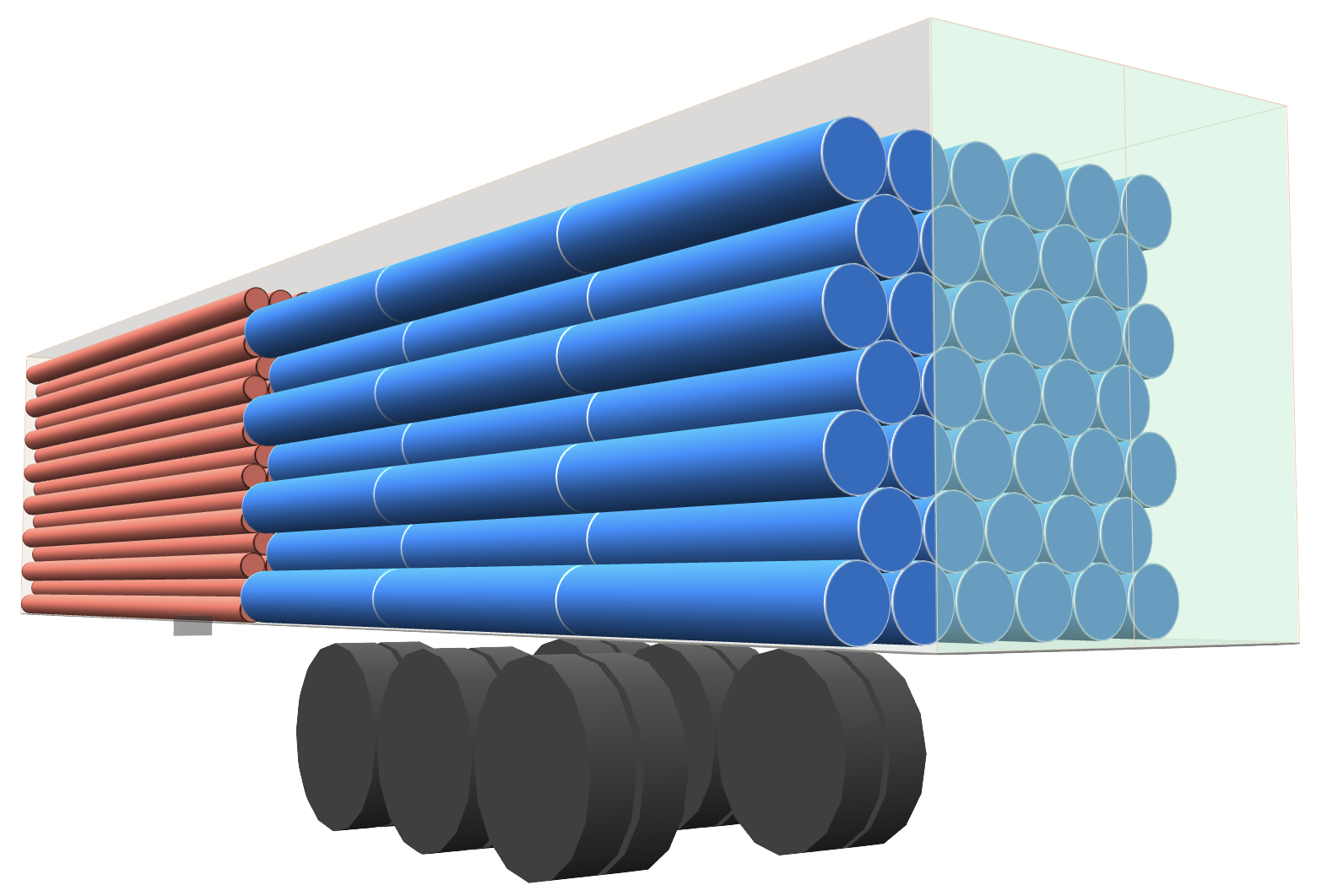
Pipes, drums and boxes
During our daily work on executing various projects, we often need to calculate the required equipment for our cargoes from containers to trucks to mafi trailers. By using Cargoplanner we are able to save a lot of time during this part of our work.
Hauke Weidemann, Commercial Manager, F.H. Bertling Logistics GmbH
Why teams pick Cargo-Planner
Built around your rules
Axle limits, stacking rules, your own trailers, road trains and multi-floor supertrailers - encode how your operation actually loads, and every plan follows it.
Support from the engineers
No tiers, no ticket limbo: questions go to the team that writes the code - "extremely helpful and supportive", as La-Z-Boy's operations team puts it.
Fits your existing workflow
Send loadlists from your TMS or ERP and get finished load plans back - through the API or partner platforms like Neurored.
Every mode, one tool
Trailers, containers, ULDs, pallets and breakbulk vessels in one subscription - "be it by road, sea, air or breakbulk - a true win-win solution", as deugro's branch manager puts it.
Nothing to install
Runs entirely in the browser: no desktop installs, no IT rollout - sign in and plan from anywhere.
No specialist required
Planners are productive on day one - "easy to learn", creating "load plans in minutes rather than spending hours", as Momart's head of shipping puts it.
Learn more about truck and trailer loading
Scenarios worked end to end, and the arithmetic behind the numbers on this page.
Look it up
Dimensions, capacities and specifications, kept up to date.